
No Pope 72-Hour Release Feed
Pope County cannot publish a county-jail product because its official sheriff directory says "No Jail." An IDOC inspection documented Saline County holding Pope detainees in 2021. The 2024 Saline inspection confirms the detention center but does not repeat that county arrangement. The first step remains a call to Pope County Sheriff at 618-683-4321 to ask which facility and agency held the person during the three-day span.
The official Saline County Sheriff source reviewed did not expose a current roster, released-person tab, archive, or rollable 24-, 48-, or 72-hour window. No update cadence or retention term can be stated. The sheriff's linked social presence may carry agency news, but it was not shown to be a systematic release list. Likewise, no official jail app was verified.
Build a Pope Three-Day List
A bounded inquiry can reconstruct the period without pretending a public feed exists. Start with the names and identifiers already known. Ask Pope Sheriff where each person was booked. If Saline held the person, its staff can be asked whether the release log is searchable for the precise interval. For a general list request, describe the existing fields sought rather than asking the agency to write a new report or explain legal conclusions.
- Write the beginning and ending date and time, including the local time zone, for the 72-hour span.
- Confirm the receiving facility with Pope Sheriff because the 2021 Saline arrangement may not govern every current arrest.
- Ask the custodian for entries showing discharge or transfer during that range, with release authority and destination agency.
- For a named person, compare full name, birthdate, booking number, and Pope case number before accepting a match.
- Cross-check each exit against the Pope court file or the system that next received custody.
The Pope County 24-Hour Release List provides the faster same-day route. The wider span is better when an event may have occurred over a weekend or when the exact day is unclear. Neither route turns a current roster into proof of release.
Pope 72-Hour Record Fields
The Saline inspection checklist calls for positive identification and a record of release or transfer date, time, and authority. Illinois arrest-information law also addresses the time and date a person was received, discharged, or transferred. These fields can identify agency exits during a three-day span. They must still be read with the destination and court record.
| Field | Use in a 72-hour review |
|---|---|
| Name and booking identifier | Separates people with similar names and custody episodes. |
| Exit date and time | Places the event inside or outside the chosen period. |
| Discharge or transfer label | Distinguishes a possible community exit from continued custody. |
| Release authority | Points to the court order or agency basis for the event. |
| Receiving agency | Directs the next custody search after a handoff. |
| Case number and disposition | Connects the jail entry with the Pope judicial record. |
A signed property receipt can corroborate that Saline completed its exit process, but it does not prove the person went home. Property released to a third party has separate written authorization and receipt requirements. Keep medical details out of a general request.
Pope Weekend Release Checks
A three-day review is useful when the date is uncertain or when the span crosses a weekend or holiday. Yet the window does not change the source of truth. The custodian's timestamp records the physical exit or handoff. A Pope court order records the legal event. Data entry, transfer intake, and remote court access may appear at different times, so compare the event dates rather than the moment a web page was viewed.
Illinois FOIA's ordinary response period is generally five business days, with a qualifying written extension possible. That rule does not create a rolling 72-hour release list. For an urgent named-person question, phone the custodian and use VINE as a status lead. Request the written log for durable confirmation. Record the spelling used, agency called, date and time, and answer received.
A current-custody absence is weak evidence. Ask whether the person was released to the community, moved to another county jail, transferred to IDOC, handed to USMS or ICE, or removed because of a data correction. Then follow the agency identified in the answer.
For each of the three dates, keep a small audit trail. Note the exact interval searched, the full spelling, any booking or case number, the office contacted, and the result. If a later record conflicts with the first answer, compare agency, timestamp, authority, and destination instead of silently choosing one. A court order can precede jail processing, while a receiving agency may post its intake after the first custodian records a transfer. Those differing times can all be accurate descriptions of separate steps.
Cross-Check Pope Release Orders
The physical release record and court file answer different questions. The jail supplies the time it stopped holding the person. The court file shows the order, sentence, dismissal, or mittimus connected with the transition. Pope County has a county-specific Judici access page, while the Circuit Clerk remains the authoritative source for docket and document copies. A remote result can omit papers that remain available through the clerk.
The Illinois Courts electronic access directory provides the route to circuit-court online services.
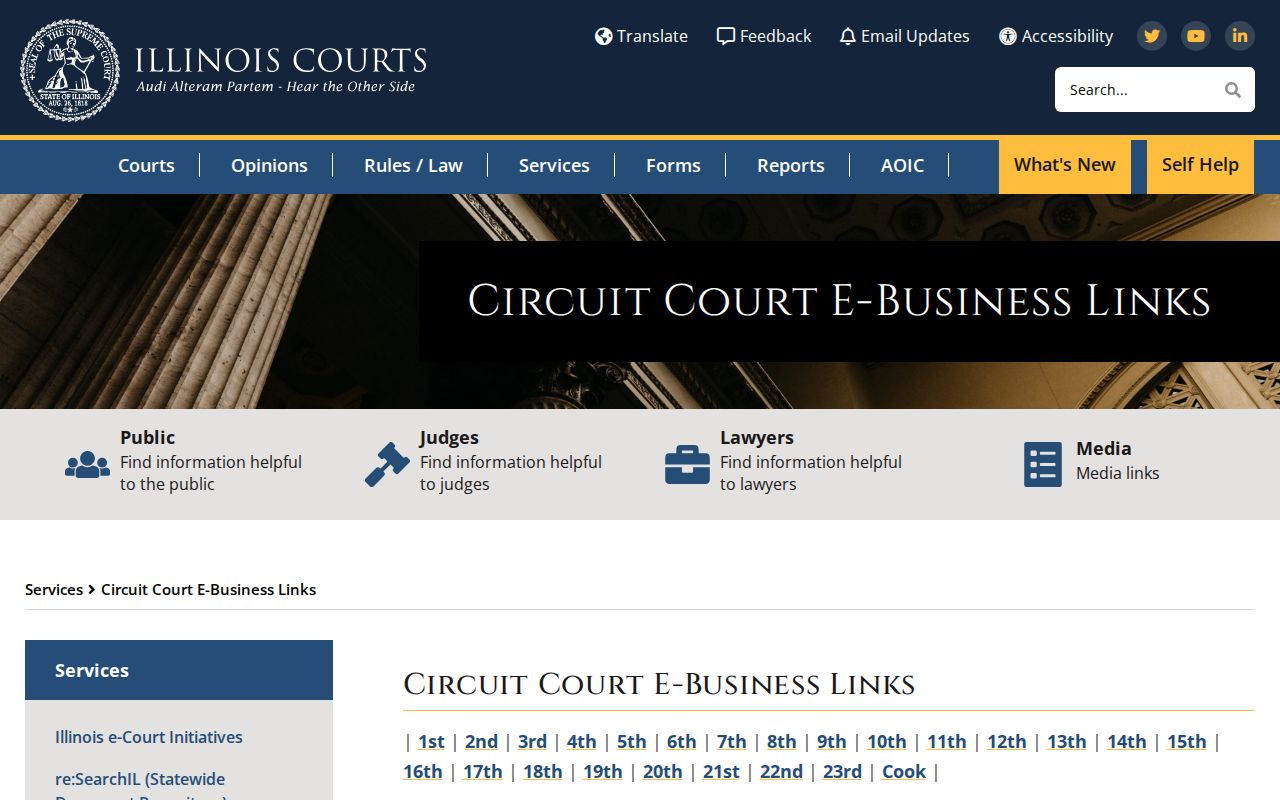
Use online access for discovery, then ask the Pope Circuit Clerk for the relevant order when a complete or official copy is needed.
A pretrial-release order points toward a community exit, but another hold can block it. A mittimus is the court's commitment order and may explain a transfer to IDOC. A dismissal ends the named charge or case result but does not erase an unrelated hold. A probation sentence is supervised in the community, while the receiving jail still supplies the actual exit timestamp.
Why Pope Roster Gaps Matter
The distinctive Pope County problem is not merely a missing feed. There is no Pope jail, and the documented Saline receiving arrangement is dated. A name can disappear from one agency's view because custody moved, not because custody ended. That makes a phone-plus-release-log-plus-court cross-check more accurate than a cosmetic three-day list with no known origin.
- Local exit
- Confirm through the actual jail's release log and the Pope court order.
- State transfer
- Follow intake through the IDOC individual search after processing.
- Federal handoff
- Check the federal docket, USMS custody path, and BOP when applicable.
- Immigration handoff
- Use ICE ODLS, which can include certain people released from ICE custody during the prior 60 days.
Illinois VINE can send release, transfer, escape, and court-event alerts. It is a notification service, not a certified log. A VINE alert should be matched to the facility or agency and then confirmed with the record owner. No result may reflect spelling, timing, agency participation, a transfer, or restricted data.
After Pope's 72-Hour Window
Once the event falls outside the selected three days, stop treating a recent-release display as the likely source. Ask for an older jail register entry, booking record, release log, or signed property receipt. Search the Pope court case for the disposition and order. If the person entered IDOC, read the Parole Date, Location, Offender Status, Projected Discharge Date, and each sentence block rather than extracting one favorable date.
Remote court access may show a record as Public, Impounded, Confidential, Sealed, or Expunged under Illinois access rules. The Illinois Supreme Court's Rule 8 explanation describes those access labels.
An absent remote result does not reveal why a record is unavailable. The clerk can explain access to the court file, while the custodian addresses its own release record.
Sealing and expungement depend on the disposition, offense, timing, and governing order. They should never be inferred solely from an empty search. When correcting an error, contact the source that owns the disputed field: the clerk for a court disposition, the jail for an exit timestamp, IDOC for its display, or the contributing agency for a VINE discrepancy.
For an older county event, request a focused date range and electronic delivery when possible. A historical jail register may preserve the date and reason for release even after a public interface changes, but the research supports no fixed modern web-retention promise. Ask the custodian which local records schedule applies. If the event was an IDOC release, a Parole Date marks the transition to supervision while Projected Discharge Date concerns the anticipated end of the legal term. One sentence block may show discharged even when another sentence or supervision status remains active.